
Sept. 1, 2023
Why did gold become the first money?
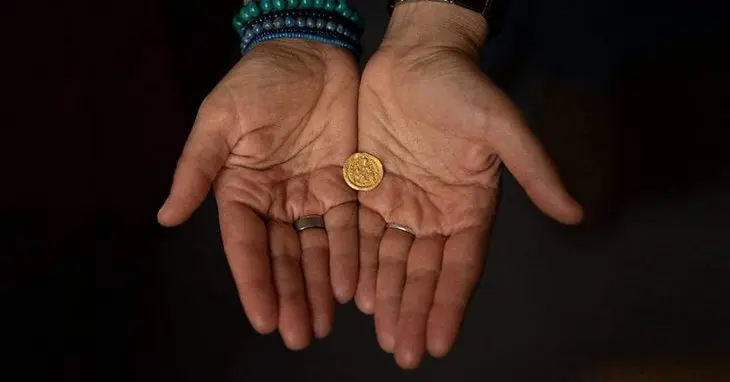
Gold has a history spanning thousands of years and has accompanied humanity from the beginning. It served as money for a long time and therefore remains a traditional means of preserving value. But why gold, when there are so many metals? What makes it special?
From a chemical perspective, there was no other option.
First, money needed to be a solid substance; that helps if people want to hold it. It is also unhealthy if a substance is radioactive or otherwise poisonous. This narrows the list to 30 elements that are solid, non-flammable, and non-toxic.
To serve as money, it had to be difficult to find but not excessively rare. Platinum, palladium, rhodium, silver, and gold remained.
Silver tarnishes in air, while rhodium, palladium, and platinum have extremely high melting points and are difficult to make into money. That left gold.
Gold forms under the conditions of a supernova explosion—the death of a star. It is easy to shape, durable, and, until aqua regia was discovered, appeared impossible to dissolve.
Ultimately, besides its shine and rarity, its properties made it special and impossible to replace with anything else.
Photo: magyarmuzeumok.hu